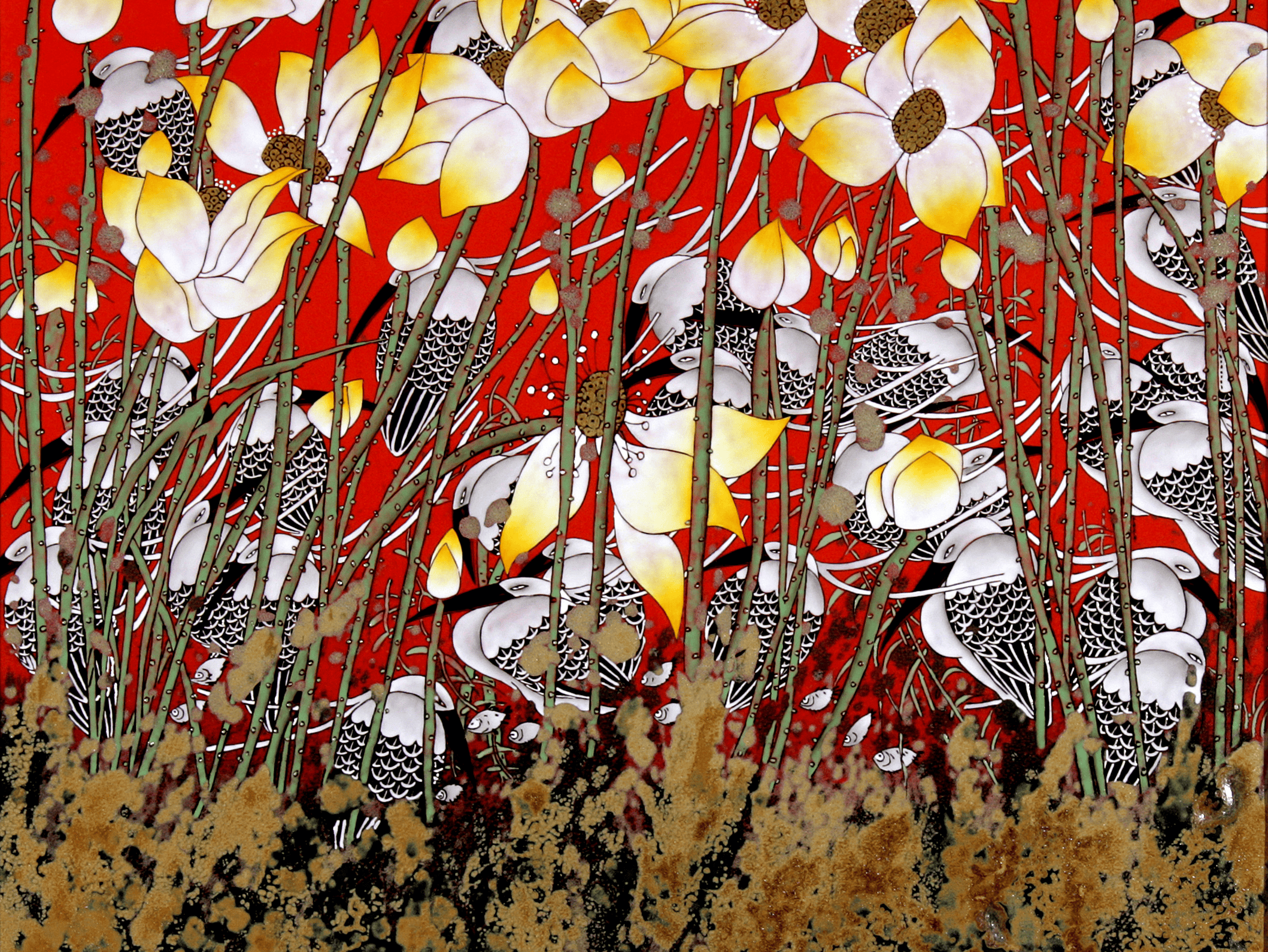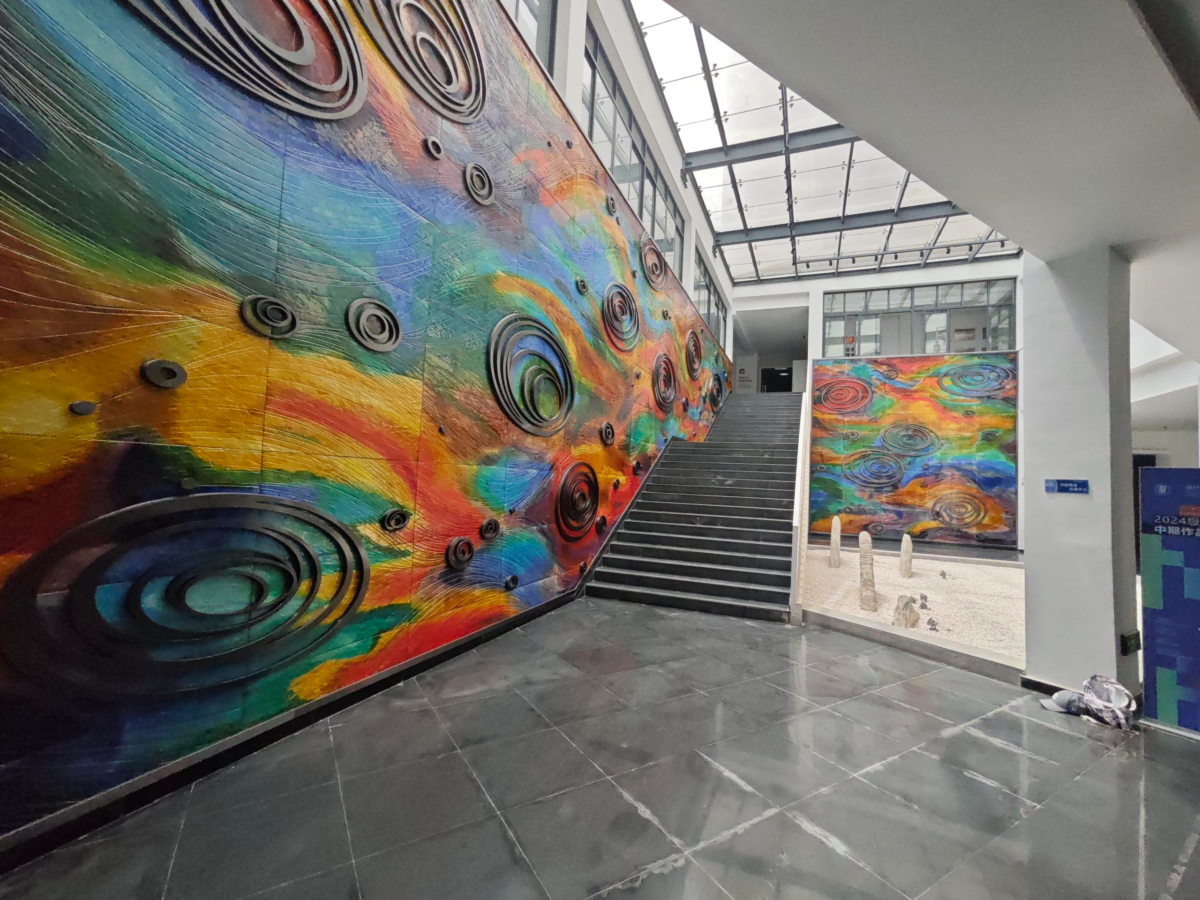
Brick statue embodies a distinguished discipline class with a long tradition, traveling back countless of ages. From ancient pots to contemporary placements, the component offers unmatched possibilities for creative representation. Builders work with several techniques – including constructing, wheel manipulating, and advanced firing processes – to shape humble dirt into aesthetic three-dimensional productions. The longevity of fired clay also contributes to its status as a truly timeless part of human legacy.
Researching Ceramic Panel Styles and Procedures
The area of ceramic badge design offers a considerable array of creative possibilities. Designers often incorporate a fusion of conventional and current techniques to generate visually remarkable pieces. These can stretch from simple, shaped reliefs to complex, multi-layered configurations. Common methods include the slip cast process, hand crafting, finishing glaze – which can involve an array of genres like sub-glaze artwork, decoration on top of the glaze, and scratched decoration where designs are exposed by removing a layer of sheen. Further investigation into external finishes such as quick baking and metallic glaze can create truly one-of-a-kind and tailored earthenware tiles.
- Slip Casting - Assembling pieces using a model
- Hand Shaping - Meticulously shaping the soil
- Coating - Covering the surface with a smooth finish
- Etched illustration - Bringing out designs by removing layers
Entrancing Experiences: Porcelain Art Exhibits
The maturing landscape of visual arts presents exciting innovative avenues for viewers, and ceramic art installations are at the apex of this wave. These aren't just static sculptures; they are assembled to envelop the onlooker in a sensory environment. Imagine travelling across a forest of towering, coated ceramic trees, or navigating a labyrinth of detailed ceramic vessels. Many makers are now incorporating harmonies, radiance, and even scent to enhance the vibe of their work. Picture the power of a room filled with hundreds of expertly ceramic pieces, each telling a story. Usually, such installations investigate themes of flora and fauna, the past, and society.
- Those installations blur the thresholds between work and venue.
- Observing a ceramic art installation can be a deeply personal journey.
- Makers are transporting the constraints of what is accomplishable with clay.
That Radiance of the Earthenware Holder: Purpose and Appearance
The brick urn represents a extraordinary combination of efficiency and artistic appeal. Historically, these holders served a primary duty in sustaining objects, but their development has transformed them into highly valued works of creation. Each element showcases the talent of the maker, demonstrating how profile can be as significant as utility. The exact shaping, the distinctive glazes, and the entire presence of a artfully-produced vase can transform a space, offering both appeal and a gentle reminder of the creative hand.
Up-to-date Stoneware Design : Extending Edges
Up-to-date porcelain design represents a fascinating evolution from historical practices. Designers are dynamically advancing with cutting-edge techniques, questioning the boundaries between artwork and distinct aesthetic categories. From considerable installations to intricate miniature pieces, mentioned works scrutinize themes of character while simultaneously rethinking the fundamental of what terracotta can manifest. The result is a vigorous sphere of inventive display.
Brick Badge: Keeping Annals in Stoneware
Porcelain plaques offer a exceptional method for commemorating significant events and personalities. In contrast to traditional metal or stone markers, these sturdy pieces of creation are formed from cooked clay, creating a material link to the former times. Frequently, they display intricate reliefs or beautifully Jingdezhen Ceramics rendered imagery, revealing stories that might otherwise be neglected. A technique, stemming from ancient societies, provides a aesthetically pleasing and lasting way to respect our collective heritage.
- The aforementioned can be installed in communal spaces.
- Scores of are now recognized historical heirlooms.
Clay Art Installations: Shifting Settings
Earthenware art installations are growing a meaningful medium for craftsmen to redefine public and private locations. These immersive installations frequently involve massive clay sculptures that attract viewers, altering their understanding of the engineered environment. By adopting diverse methods like modeled construction and sophisticated firing processes, ceramic artists assemble truly remarkable experiences, overlapping the edges between art and building. The effect is often a touching change that strengthens the decorative quality of the area and develops conversation.
Inception Potter's Wheel to Phenomenon: The Art of the Terracotta Pot
The journey of a terracotta pot from a simple lump of loam to a finished work of mastery is a testament to human ingenuity. Previously, the process kicks off with the potter’s turntable, where the knowledgeable artisan forms the twisting mud into a cylindrical contour. This foundational process demands cleverness and a sensitive eye, followed by a delicate curing period. Once soft-fired, the container is ready for beautification, which may embrace applying intricate sketches, carving detailed imagery, or utilizing a multitude of finishes. The terminal processing process then alters the item into a durable and attractive vessel, a tangible embodiment of the creator's commitment.
Carving with Earthenware: A Manual to Terracotta Practice
Delving the sphere of earthenware expression begins with recognizing the basics of modeling with pottery. That approach comprises carefully building and reducing matter to fashion three-dimensional creations. If you're a starter or a master artist, playing with various sorts of ceramic material – for example terracotta – will support you detect your personal signature. At last, terracotta carving is a fruitful process that joins expert talent with original communication.