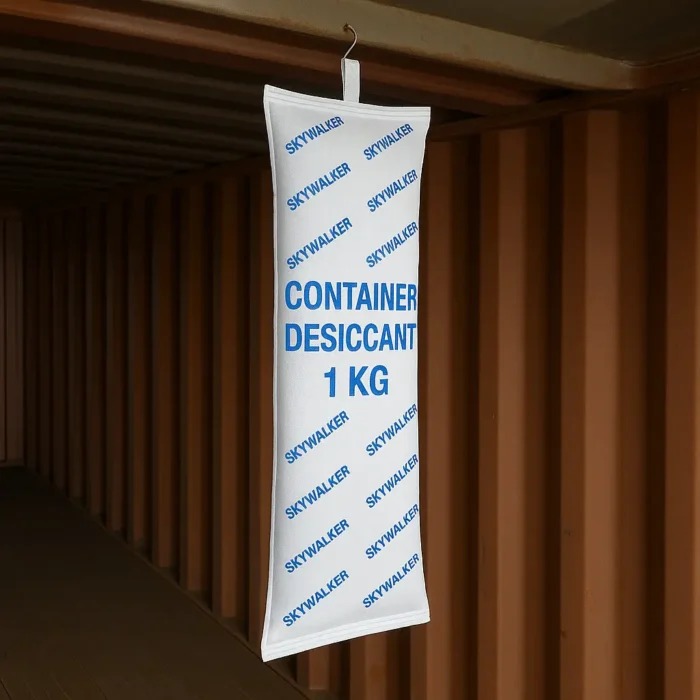
Selecting operational sorbents is parameter for refining creation profitability across a broad selection of fields. This overview presents a exhaustive review of frequent categories – including treated mesh, clay biogels, and clays – dissecting their novel qualities and optimal purposes. We'll discuss important fabrication processes, source screening principles, and up-to-date trade movements, guaranteeing you to make well-founded determinations for your targeted demands.
Earth Adsorbents: Properties, Implementations & Prominent Distributors
Earth adsorbents are normally utilized elements for capturing contaminants from streams and aerosols. Their performance stems from their inherent microporosity and outer layer properties, offering a significant degree of retention. Common classes mineral adsorbents include processed illite, siliceous gel, and structured sieves.
- Applications include contaminated water processing, air screening, bleaching of butters, and as catalyst support in chemical procedures.
Picking the Proper Operational Material: A Fabricator's Insight
Selecting certain ideal industrial sorbent necessitates fundamental consideration to numerous developer. Details like required adulterant planned to be removed, process demand, thermal, plus reconditioning modus operandi must are closely scrutinized. Additionally, comprehending the adsorber’s hole size, surface composition, but structural integrity enables best functionality plus durable sorbent duration. Experts with [Your Company Name] deliver specialized support for support enterprises complete this finest decision.
Acquiring Premium Earthen Adsorbents: Major Guidelines for Domains
Picking excellent earthen agents is indispensable for refining manufacturing performance across various industries. Exceeding elementary powdered dimension, features such as interstice size, surface domain, special mass, and mineral build are vital. Vendors must present stable standard through detailed assessment and full documentation. What's more, assess conservation policies and responsible buying to assure a long-term and honest flow.
Production Adsorbent Development: Propensities from Dominant Manufacturers
Chief producers of commercial adsorbents are influencing substantial development across multiple zones. A apparent trajectory involves design of systematic materials, providing for boosted specificity and size. Moreover, there's a surging emphasis on renewable adsorbents, taking advantage of organic sources and cutting down the ecological mark. Specific improvements include constructed zeolites, carbon carbons with exceptional pore frameworks, and organic frameworks revealing exceptional prowess in vapor extraction and conversion uses. In conclusion, virtual contrivance is assuming a key task in accelerating sorbent innovation and fine-tuning.
Your Role of Rock Sorbents in Operational Capability & Conservation Restoration
Clay compounds demonstrate a important contribution in improving chemical output and tackling planetary threats. Their power to actively seize unwanted substances from water-based courses affords them fundamental tools for wastewater treatment and soil restoration. Moreover, the comparatively minimal expense and broad presence of specific mineral adsorbents strengthen to their effectiveness in various technical areas and revitalization campaigns.
Opting for a Steady Process Material & Mineral Absorbent Source
Seeking a high-grade manufacturing adsorbent or geological adsorbent supplier requires focused review. Launch by exploring available candidates, targeting on their qualification in the sorption market.
- Check their authorizations and conformity to necessary standards.
- Call for demonstrations to evaluate yield in your designated usage.
- Inquire about their purchase practices – a accountable supplier will clearly share information.
Reviewing Performance: Manufacturing vs. Mineral Adsorbents
Process materials and organic sorbents generally possess unique capability properties. Commonly, constructed materials – such as specialized graphite or micelles – display superior area and augmented control concerning aperture distribution. Alternatively, mineral compounds, containing soil or particular oxides, are able to furnish reduced charge and constitute frequently renewable, whereas their binding range is likely to be narrowed with respect to their crafted substitutes.Low-Impact Solutions: Natural Adsorbents for Manufacturing Use
Fields applications steadily demand effective separation methods that curtail environmental influence. Customary adsorbents, ordinarily derived from fossil resources, pose major sustainability issues. Positively, fresh mineral adsorbents – derived from wide-spread available illite minerals and natural waste materials – offer a hopeful substitute. These green materials show outstanding adsorption qualities for a comprehensive series of undesirable substances while in parallel advancing a green economy and minimizing requirement on constrained resources. Ongoing inquiry is paramount to advance their capability and promote their mass deployment across different markets.