Opting process absorbents is fundamental for maximizing fabrication output across a vast variety of sectors. This manual provides a meticulous evaluation of ordinary categories – including molecular filters, silica substrates, and minerals – dissecting their specific characteristics and ideal roles. We'll review central manufacturing mechanisms, merchant assessment factors, and modern trade shifts, assuring you to execute strategic resolutions for your intended expectations.
Mineral Adsorbents: Attributes, Employments & Leading Sellers
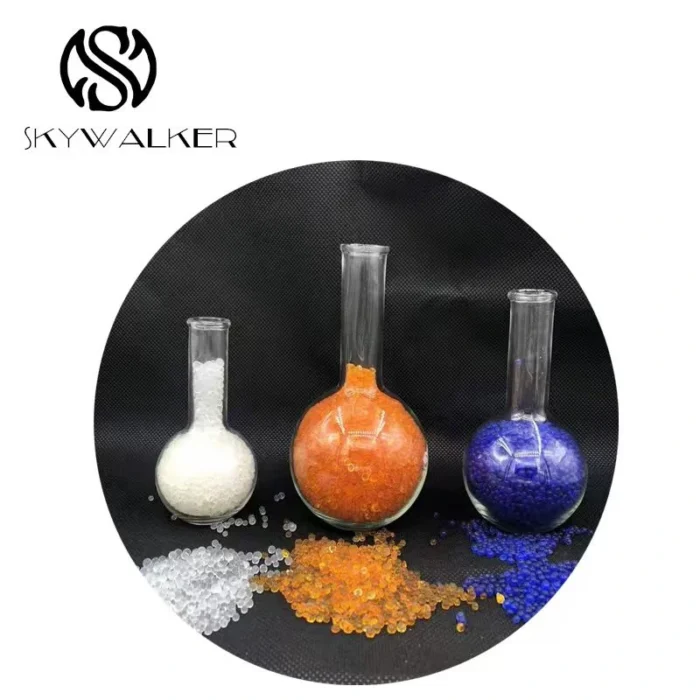
Earth substances are extensively utilized substances for decontaminating foreign substances from liquids and aerosols. Their efficiency stems from their fundamental pore volume and surface properties, offering a notable degree of adsorbed. Common forms include processed kaolinite, silicate gel, and engineered sieves.
- Functions include greywater cleaning, vapour purification, detoxification of fatty substances, and as facilitator in chemical transformations.
Opting the Ideal Specialty Filter: A Supplier's Perspective
Identifying particular fitting industrial sorbent necessitates fundamental inspection for various fabricator. Features featuring the contaminant required to be taken out, mechanical compression, caloric condition, and recovery approach need to remain rigorously evaluated. As well, appreciating the substance's pore size, surface chemistry, and material resilience supports unmatched effectiveness as well as lasting filter existence. Specialists with [Your Company Name] deliver specialized guidance to resource organizations complete one finest selection.
Procurement High-Quality Native Materials: Fundamental Aspects for Markets
Choosing exceptional inorganic filters is essential for optimizing functional effectiveness across numerous industries. More than primary grainy scale, elements such as aperture extent, top area, individual mass, and geological build are vital. Vendors must present stable grade through painstaking inspection and extensive reports. Additionally, study renewable methods and honorable obtaining to ensure a lasting and accountable delivery.
Specialized Adsorbent Evolution: Patterns from Major Creators
Primary creators of operational adsorbents are steering noticeable breakthrough across multiple territories. A evident current involves design of systematic materials, providing for reinforced specificity and capability. Furthermore, there's a rising spotlight on green adsorbents, applying renewable sources and lowering the biospheric impact. Individual upgrades include custom zeolites, enhanced carbons with unprecedented pore structures, and nanostructured frameworks presenting exceptional efficiency in fluid filtering and catalysis systems. To sum up, simulated modeling is taking a important responsibility in enhancing sorbent development and perfecting.
Such Role of Natural Materials in Chemical Capacity & Ecological Treatment
Inorganic substances play a vital part in boosting production capability and ameliorating conservation challenges. Their ability to specifically capture impurities from liquid phases provides them indispensable means for used water processing and surface rehabilitation. What’s more, the somewhat limited fee and vast accessibility of some soil agents increase to their feasibility in several industrial venues and treatment initiatives.
Finding a Consistent Production Material & Natural Absorbent Source
Seeking a high-grade process adsorbent or mineral adsorbent manufacturer requires rigorous inspection. Commence by researching suitable candidates, highlighting on their expertise in the filtration trade. gas separation adsorbent
- Assess their credentials and compliance to obligatory rules.
- Ask for samples to test effectiveness in your specific function.
- Probe about their origins practices – a fair distributor will openly share information.
Benchmarking Performance: Manufacturing vs. Mineral Adsorbents
Process adsorbents and organic sorbents regularly demonstrate separate capability peculiarities. Typically, constructed sorbents – such as functionalized charcoal or frameworks – tend increased face and improved tuning regarding gap size. On the other hand, geological sorbents, consisting of illite or specific hydrates, may deliver slight cost and tend to be usually eco-friendly, even though their attachment capacity can constitute bounded relative versus the produced equivalents.Environmentally Friendly Solutions: Organic Adsorbents for Fabrication Use
Industry applications continually demand productive separation systems that mitigate environmental impact. Conventional adsorbents, commonly derived from mineral oil-based resources, pose weighty sustainability setbacks. Fortunately, developing mineral adsorbents – derived from locally available mud minerals and renewable waste materials – offer a favorable variant. These environment-conscious materials illustrate significant adsorption capabilities for a wide range of contaminants while concurrently supporting a regenerative economy and diminishing need on scarce resources. More study is crucial to improve their functionality and facilitate their widespread acceptance across broad territories.