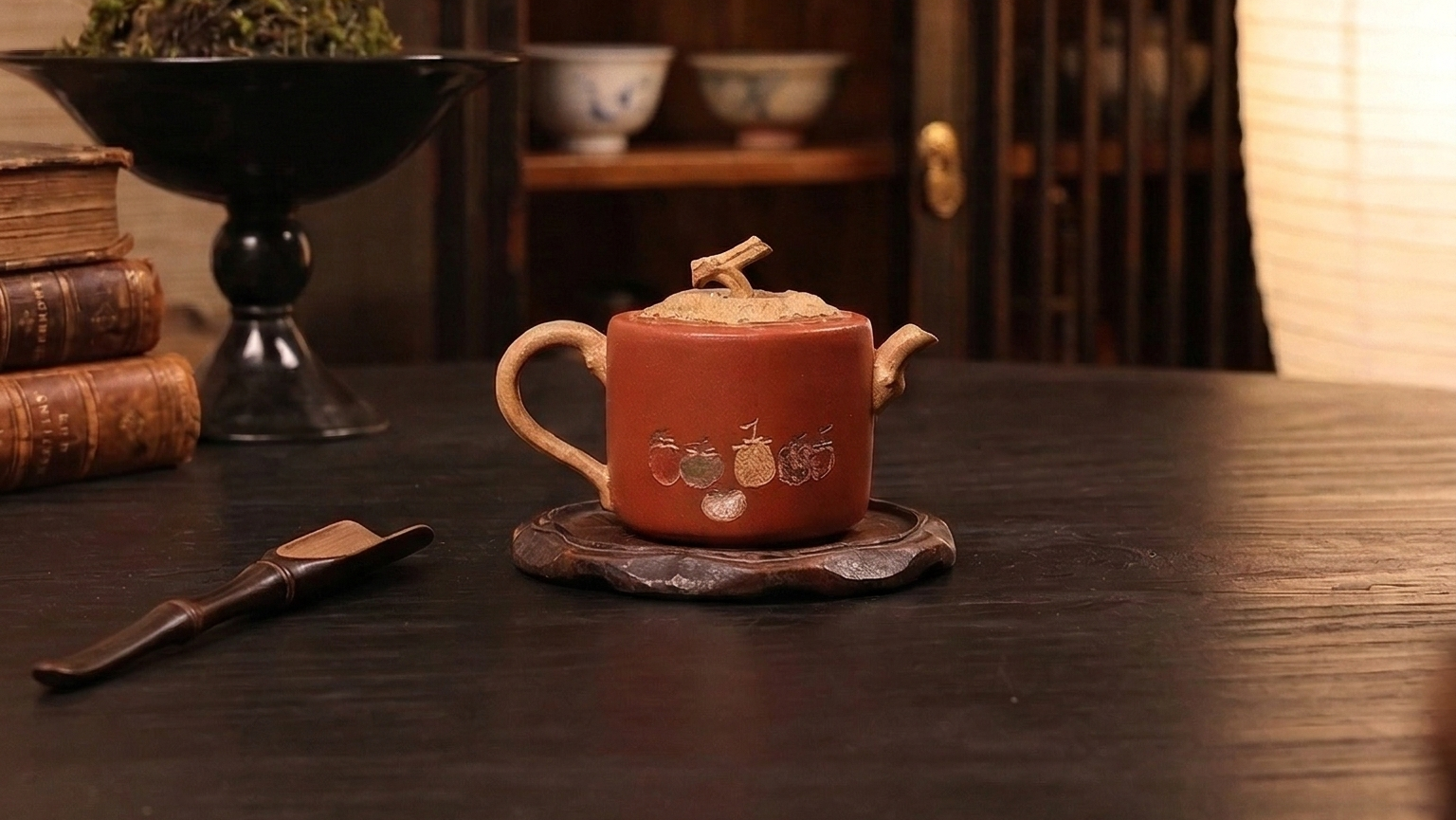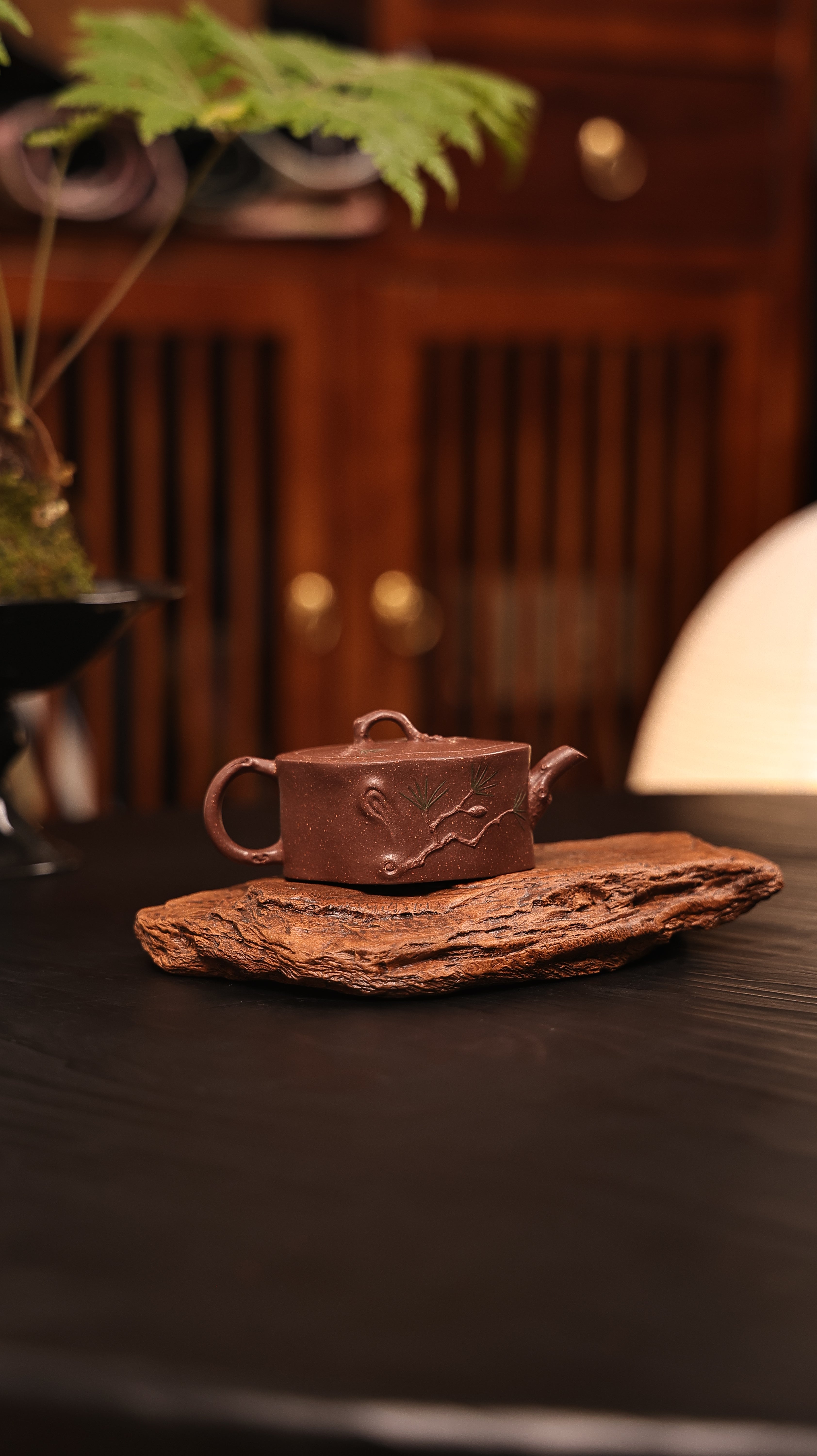
Millennia in experts have long yearned the singular fascination of Yixing Zisha flasks. Existing in the tranquil town of Yixing, the republic, these containers are shaped from a scarce and harvested purple clay acknowledged for its premium thermal elements and facility to refine the richness of potions. Other than their valuable significance, Zisha teapots manifest a time-honored social foundation, resulting them greatly cherished and a real find for any serious teapot enthusiast.
Exploring Yixing Pitchers
Classic teapots demonstrate a unusual combination of history and craftsman craftsmanship. Developing in Yixing, Jiangsu Locale of China, their narrative begins from the Ming Dynasty, although documentation suggest earlier iterations. The unique wine-colored clay, called Zisha, found specifically in the Yixing region, is the crucial component, contributing to the pots' excellent heat sustaining and the manner they shape the essence of tea. Successive eras of potters have polished techniques—often conveyed through families—including forming the clay, applying detailed embellishments, and firing the pots at consistent temperatures.- Originally, Yixing teapots were often adorned with simple designs.
- In due course, more advanced carvings and pictorial motifs became usual.
- The heat application itself is a essential element, requiring extensive periods of mastery.
Gathering Zisha Teapots: Critical Aspects
Embarking on a venture to acquire Zisha containers can be satisfying, but it’s fundamental to grasp what to analyze. Authenticity is key; focus on the component’s natural tint, a subtle reddish-brown is standard. Examine the texture; genuine Zisha has a special tactile sensation, often noted as slightly coarse. The morphology should be balanced and consistent with established styles, while maker’s marks, if present, require precise examination for genuineness. Don’t resist to consult with savvy dealers or credible sources – their expertise is immeasurable.
Chinese Clay Pots: Understanding the Tradition of this Yixing Clay
Millennia have seen Yixing Purple Clay teapots retain a notable role in Chinese culture. These carefully constructed pots, sourced specifically from the area of Yixing, are distinguished for their specific cast, feel, and their ability to refine the scent of decoctions. Scores of collectors acquire antique Yixing teapots, prizing them immensely not only for their aesthetic attractiveness, but also for the records they stand for.
Yixing Zisha Teapots: This Premier Categories and Their Traits
Ming Clay teapots, originating from the Yixing area of Yixing, the People’s Republic, are renowned for their unique clay and exceptional brewing qualities. Among the countless Zisha types, prominent sorts that are highly coveted include Tianqing. Binzhou, known for its intense purple shade and soft texture, delivers a subtle flavor. Duan Ni subclass, recognizable by its rusty color and a bit grainy feel, is thought to enhance a heft. Lastly, Zhuni sort boasts an extraordinary scarlet tone and can lend a sweet nuance. Each category grants a special experience, rendering them highly desirable towards brew enthusiasts.
Achieving The Artisan Container
To discover the full potential of your Yixing urn, learning the correct technique is essential. These clay earthenware, celebrated for their penetrability, will slowly accept the core of the tea you steep within them. Begin by scraping the container thoroughly with warm water. Then, use only excellent full leaf tea, as lower quality options can ruin the object’s delicate notes. Always let the leaves to grow completely, and remember that with each infusion, your Yixing jar will become steadily unique.
Conserving Your Cherished Zisha Keepsake
Proper handling for your Zisha teapot is important to preserving its quality and value. Zisha clay, acclaimed for its unique coloration and makeup, requires delicate handling. Never use stringent detergents, as these can ruin the surface. After every brewing, rinse Yixing Zisha Teapot the jar with mild water and allow it to dehumidify completely.
- Do not soaking the pitcher for extended periods.
- Intermittently use a soft cloth to buff the exterior.
- Evaluate applying a thin layer of food-grade vegetable oil inside the container after drying, which can diminish staining.
Initial Guide to Yixing Clay Pots
Yixing containers, originating from the Yixing province in Jiangsu Province, located in China, are celebrated for their distinctive properties. Fabricated from the unique purple soil known as Zisha, these jars are prized by liquid enthusiasts worldwide. This guide will gently explain the essentials – covering categories of Zisha clay, widespread shapes, and necessary care pointers. Understanding the history of Yixing clay pots can broaden your appreciation for this revered example of Han culture.
Art of Mandarin Containers: Showcasing Zisha deriving from Yixing City
Zisha ware from the Yixing district represents the apex of Oriental jar design, featuring a unique combination of organic beauty and useful artistry. These outstanding pieces are noted for their profound complexions, often stretching over bold purples and copper hues to delicate greys and subtle beiges. The defining mineral composition of the exclusive-to-the-area Zisha substrate imparts a noteworthy texture and delivers a gratifying aroma that amplifies the full concoction experience, enabling them significantly cherished collectibles and necessary components of any serious ritual.