Within the domain of lasting customs,
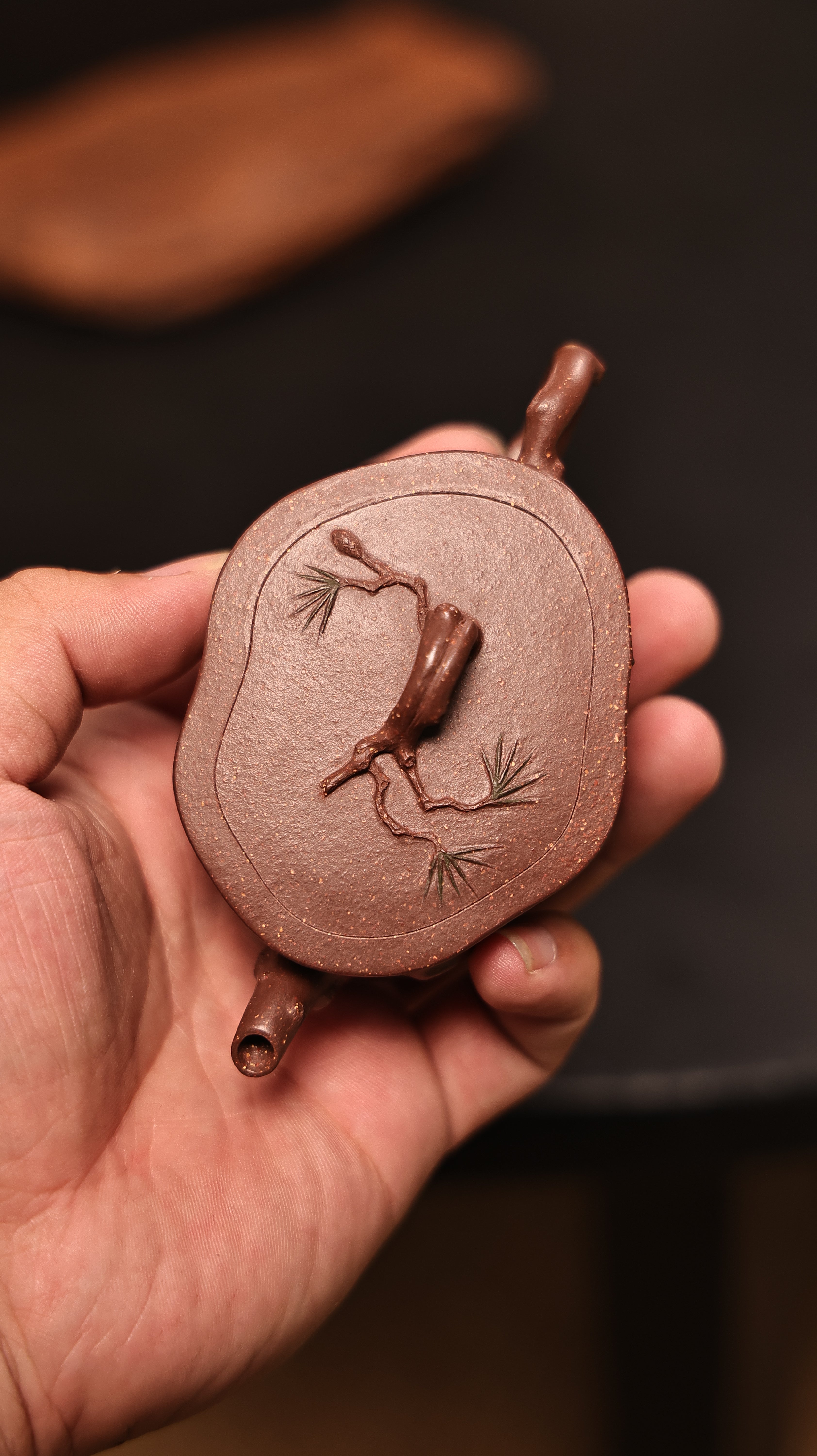
For epochs, collectors have been enchanted by the exceptional charm of Yixing Zisha containers. Originating from the district of Yixing in Jiangsu, these pieces are renowned for their remarkable beauty, scarce clay, and intrinsic ability to improve the taste of the infusion. The soil's distinctive purple-brown hue, combined with the artistic workmanship of Yixing's potters, creates artworks that are at once functional objects and coveted properties. Gaining a Zisha teapot is more than just certain purchase; it's adopting a rich heritage heritage.
Exploring Yixing Teapots: Background, Types, and Cost
Celebrated Yixing teapots serve as a deep legacy deeply intertwined with Chinese culture. Beginning in the Yixing region of Jiangsu province, these clay vessels carry a heritage connecting back to the Ming Dynasty. Preliminary examples were functional, but over centuries, Yixing teapot building evolved into an esteemed art form. The clay itself, known for its unique composition and ability to augment the flavor of the tea, stays a defining factor. Yixing teapots come in various kinds, broadly categorized by shape: Standard such as Zhuni (purple clay) and Bisheng, as well as unique designs. The importance of a Yixing teapot turns on several factors, including the potter’s renown, the age of the piece, the rarity of the clay, and its aesthetic appeal.- Account: Ancient times
- Substance: Zhuni (purple clay)
- Estimation Aspects: Scarcity
Zisha Pot Creation: Process and Craftsmen
Distinct construction of a genuine Zisha teapot is a sophisticated process, requiring generations of mastery. Experienced artisans meticulously select the best Zisha clay, a distinctive earth found only in specific regions of China. Longstanding techniques, often transmitted through families, involve exact shaping, delicate carving, and unhurried firing in ancient fireplaces. The culminating teapot isn't merely a receptacle; it's a testament to design vision and the meaningful connection between the sculptor and their tradition. Each work showcases the particular touch of the designer, resulting in a truly unique work of design.
Chinese Earthenware: Understanding the Abundant Institutions of Yixing City
Historic Yixing, located in Jiangsu the district, is commonly renowned for its exceptional vessels – a tangible representation of centuries of Chinese craftsmanship. These aren't merely vessels for brewing tea; they are intricate works of craftsmanship, often reflecting traditional ideals. The unique purple clay, known as Zisha, possesses distinctive qualities: the clay dense, porous, and Zisha Teapot imparts a subtle character to the tea.
- Various tribes have honed the techniques of Yixing pot making, passing down preserved methods through times.
- Collectors prize these pieces for their elegance and exclusiveness.
- Individual teapot tells a history, connecting the imbiber to a rich tradition.
Entering Yixing Zisha: Key Considerations
During examining collecting Yixing Zisha earthenware, a range of elements require careful evaluation. Primarily, the substance's pigment is paramount; authentic Zisha traditionally exhibits a distinct reddish-brown shading. Moreover, assess the technique; clear aspects and a sleek overlay demonstrate expert fabrication. In conclusion, review the fabricator's profile; distinguished names draw enhanced fees and often grant a secure gain.
Zisha Teapot Tea Brewing Mastery
Creating sumptuous tea with a Zisha jar is more beyond a simple procedure; it's an discipline. Zisha clay, celebrated for its unique structural composition, imparts a light character to the processed tea that’s often not found with other pots. The proper water temperature is fundamental; typically, less intense than what's used for black tea, to keep the tea's aroma and flavor. Consider conscientiously the tea kind; delicate green teas or aged pu-erhs gain from the Zisha’s ability to mellow their basic edge. It’s critical to preheat the teapot prior to brewing, and to neglect over-steeping. Mastering this craft leads to a sincerely exceptional tea experience.
- Realizing Zisha Clay
- Water Warmth & Kind of Tea
- The Importance of Pre-warming
Sustaining Your Renowned Clay Pot
In an effort to maintain the lifespan of your esteemed Yixing kettle, ongoing servicing is vitally required. Avoid using soap; instead, carefully wash it with comfortably warm solution. Dodge abrupt swings; please don't situate the kettle directly onto a glowing platform. Periodically, develop the kettle by processing it with premium refined infusion, as this improves to improve its nature and safeguards the singular qualities of the medium.
With respect to Material to Chalice: The Path of a Famous Teapot
This creation of a Zisha teapot is a extraordinary method, a proof to both nature's bounty and the ability of the fabricator. It begins with the precise extraction of the extraordinary clay from the purple Zisha mines adjacent to Yixing. This pure material, known for its exceptional attributes, is then methodically clarified and ready for the preliminary forming. The urn’s form is adeptly built using a concoction of ancient modeling systems, often incorporating decorative designs. Following settling, the container undergoes a fundamental first firing, subsequent by a glazing stage, which might involve various layers of earthy Zisha applications. Finally, a second, and sometimes third, firing at robust temperatures realizes the piece, revealing its ultimate beauty and splendid characteristics - a real masterpiece, equipped to embellish a tea session.
{Yixing Teapots: A Exemplar of a Culture and Admiration
The Yixing region teapots, originating from the celebrated Yixing region of Jiangsu province, are far more than mere receptacles for brewing brews; they represent a major aspect of Chinese traditions. Produced from distinctive purple clay – zisha – these uncommon teapots are highly esteemed for their ability to enrich the flavor of the tea and, crucially, for their grace. The background of Yixing teapot making spans centuries, and the mastery involved is handed down through generations, making each teapot a fine creation that embodies historical techniques and a profound appreciation for the basic pleasures in life.