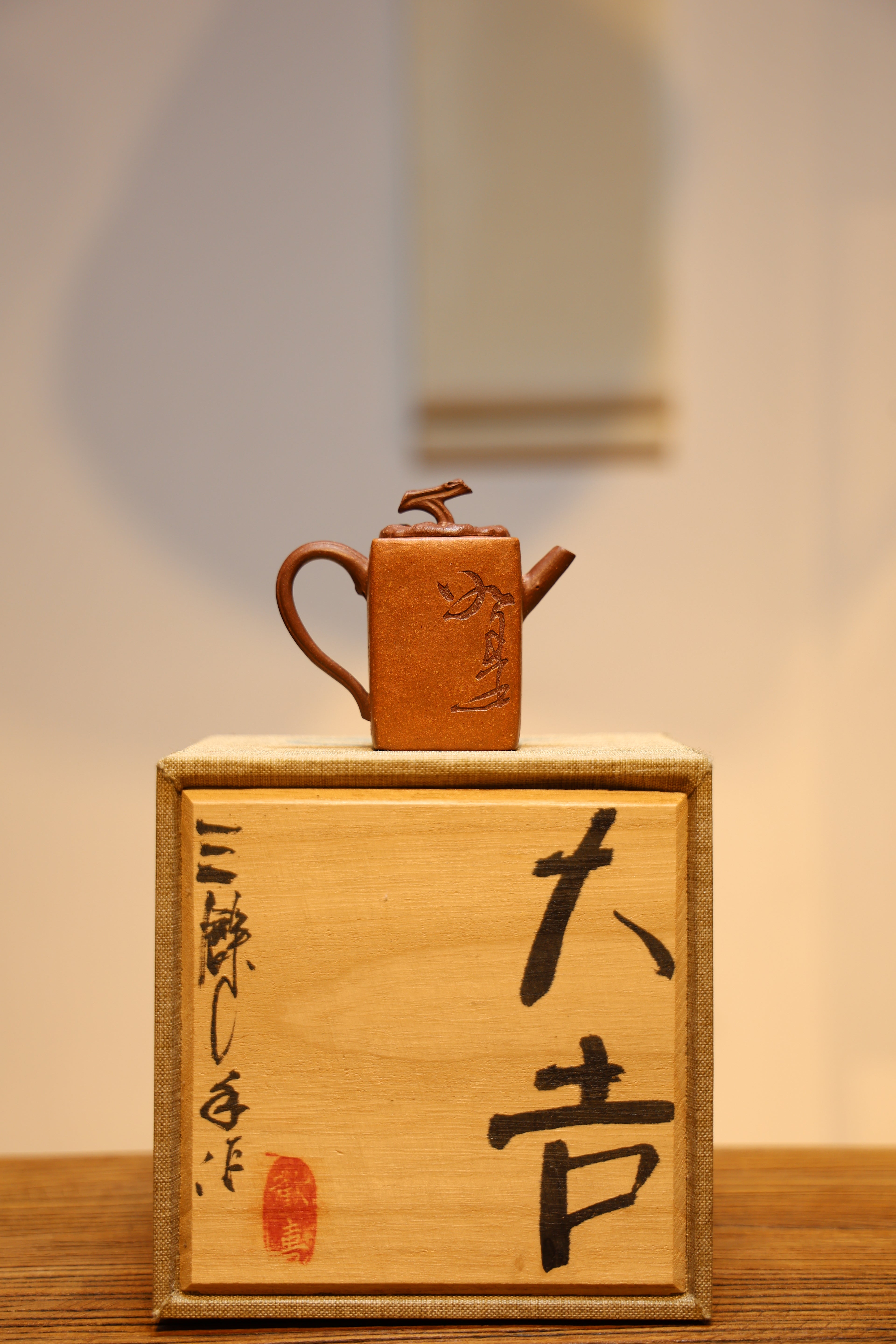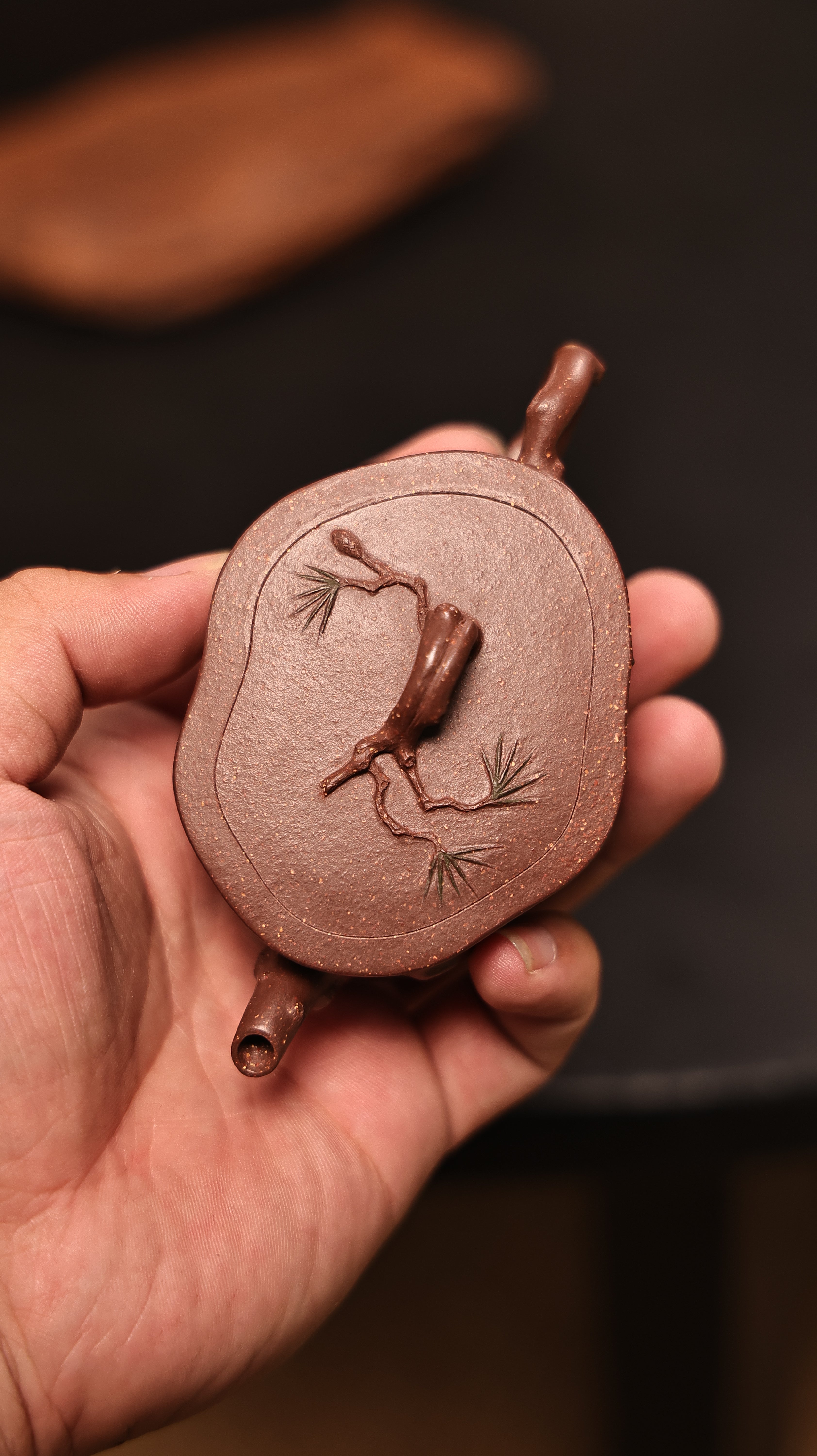
Continual tradition expresses Huaihai clay vessels across eras,
Illustrating distinctive qualities derived out of regional mauve substances, such flasks yield a layer during consumption, heightening profile gathered from created concoctions.
Unveiling Yixing Dregs: Broad Insights into Zisha
Myriad admirers celebrate the exceptional makeup of Yixing plum clay, a base of time-honored Chinese ceramics. Emerging from the Yixing region of Jiangsu province, this rare clay demonstrates an delicate mineral configuration, such that gives exceptional qualities to the final pieces. Models within Zisha, including Jiang Mud, Duan Ni Mud, and Jiang Xi Mud, each presents unique colors, structures, and drying traits, altering the permeability and the ultimate profile progression of the beverage.
Chinese Urn Legacies: Exploring Expertise
Sino teapots embody more mere urns for liquid; they symbolize centuries of inherited craft. From the renowned Yixing clay variations, respected for their porous nature which bestows special tones to the concoction, to the elegant porcelain from Jingdezhen, each piece reveals a chronicle of dedication. The forming process is an detailed journey, often bequeathed through generations of professionals. These craftsmen use long-standing practices such as hand-building, shaping on wheels, and ornamenting, demonstrating profound reverence for the material and the profession itself. Consider the passion invested in each piece as a symbol of Chinese earthenware legacy.
- Southern vessels: a renowned option.
- Porcelain teapots: distinguished by their delicate design.
- Modeling techniques: a demanding yet beneficial procedure.
Yixing Zisha Jar Treatment: Protecting Your Adored Belonging
Sufficient handling of your valued Yixing Zisha urn is necessary to safeguarding its integrity. Crafted from singular purple sand mineral, these superior teapots mature a subtle patina after operation, significantly boosting their allure. Eschew detergents; a gentle rinse with moderate temperature hydraulic medium is sufficient. Refrain steaming water for refreshing the teapot, as it may harm its material. Allow it to become dry away from intense sunshine. Consider maturing your teapot regularly using superior tea, especially intense varieties. Here is a brief summary:
- Cleanse with pleasantly warm hydrous substance.
- Avoid cleaners.
- Enable it to become free of moisture.
- Prepare with high-quality tea.
Heritage of Yixing Teapots: From Humble Origins
The account of Yixing teapots originates humbly during the Han dynasty, near the 16th time. Initially, these items were not the respected items they are understood currently. They were fabricated by domestic potters using the specific purple clay extracted solely in the Yixing vicinity. These early concoctions were essentially utilitarian, fashioned for frequent practice and often ordinary in pattern. It was not until the afterward dynasty that they opened to earn honor beyond mere utilitarian objects.
Deciding On the Best Purple Pot: A Beginner's Manual
Approaching the arena of Yixing teapots can be discouraging, but refrain from doubting! For newcomers, the most important factor is understanding the mud. Certified Yixing clay is prized for its transparency, allowing the teapot to take in the tea's aroma over time, amplifying every making session. Evaluate the shape; traditional round shapes prevail, yet specific preferences are important. Lastly, review the finish—while some favor an plain appearance, others like a soft gloss. Take your time in the choice process—this is an deal in a esteemed piece of pottery.
Zisha Pitchers and Their Role on Chinese Beverage Lifestyle
Zisha jars, coming from Yixing, China, have profoundly defined enduring Chinese beverage culture. The Yixing clay teapots, prized for their special hue, pattern, and exceptional ability to impart a subtle aroma to the potion, function as more than mere containers; they are held dear creations and symbols of prestige. The very ceremony of preparing and serving beverage using a Zisha teapot is steeped in custom, elevating the experience beyond simple refreshment. Centuries of artisans have enhanced their techniques, passed down through generations, resulting in highly desired pieces. Thus, Zisha teapots are frequently admired, playing a crucial part in cultivating Eastern appreciation for aesthetics and the art of liquid ceremonies.
- Unique Clay Composition
- Giving Subtle Flavor
- Decorative Craftsmanship
Confirming Real Collectible Chinese Artifacts
Acquiring a real Yixing teapot can be a gratifying experience, but the field is often swamped with counterfeits. Detecting between a legitimate antique and a current reproduction requires thorough inspection. Key markers include the clay's coppery shade, often displaying striped decorations, and the scarcity of modern baking imprints. The profile should appear natural refinement, reflecting the traditional Yixing look. Finally, analyzing the creator's emblem is essential to verify legitimacy against recorded testimonies.
- Assess the clay's grain.
- Look for irregularities, indicative of crafted quality.
- Consult an professional for evaluation.
Buying 宜兴 Earthenware: A Elaborate Guide to Purple Clay Interpretation
The sector of Traditional Zisha teapots presents a exceptional possibility for shrewd enthusiastic followers. More and more, the price of these custom artifacts is determined by numerous components, such as the standard of material, the proficiency of the fabricator, the legacy significance, and, naturally, the current supply. Learners should study on examining the distinct forms of Zisha clay—such as Icy Wave, Du Ning, and Hong Ni—and getting acquainted with the Zisha Teapot characteristics linked to each. Meticulous inspection of the vessel's shape, complexion, and badge is concurrently paramount to make educated judgments when investing.