Beginning Spraying Drone
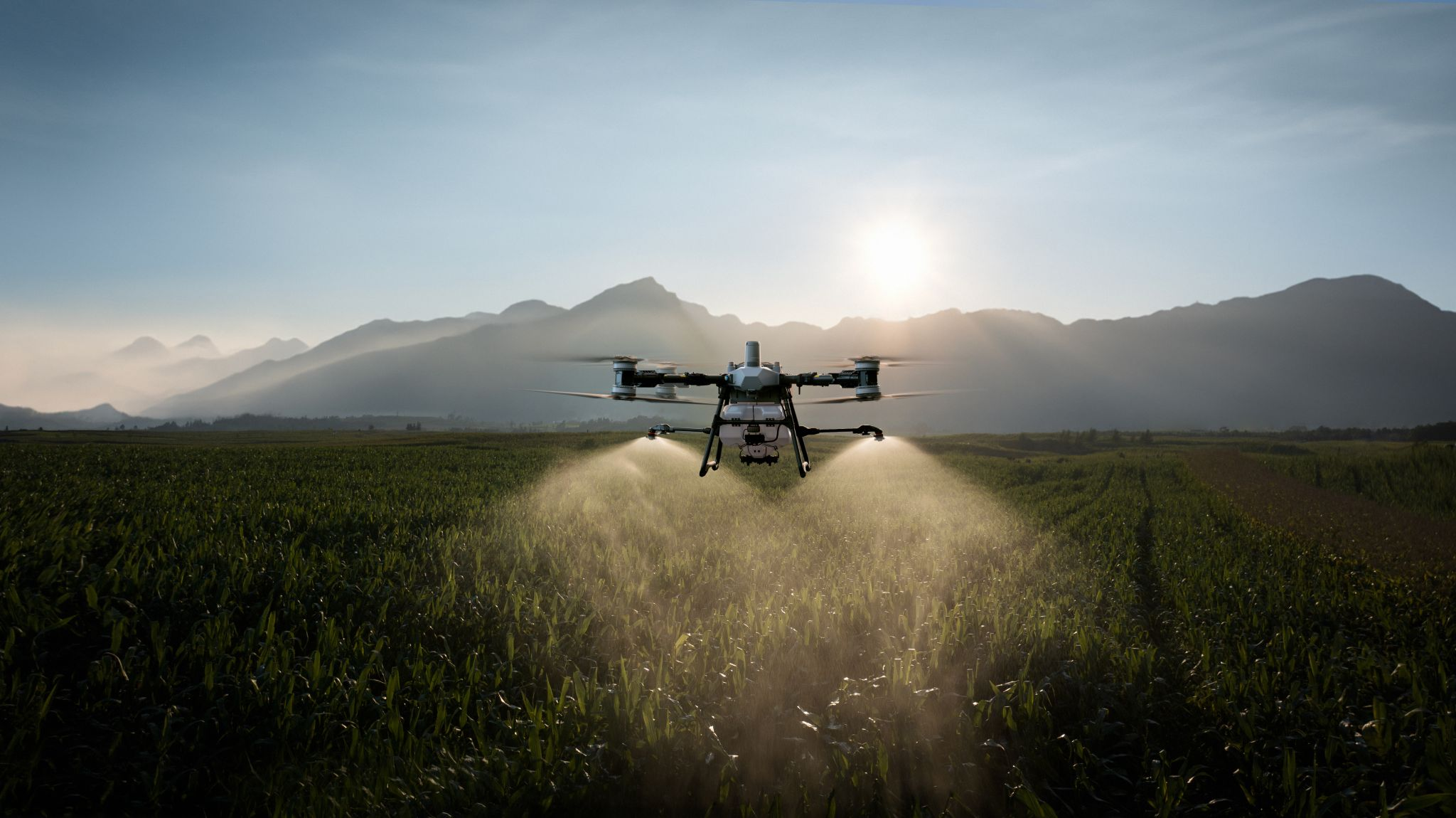
Such Agras lineup marks a significant transformation in up-to-date farming strategies. Various state-of-the-art flying platforms are designed to carefully administer fertilizers and other necessary components to plantations. Employing detailed innovations, the Agras system lessens staffing cost, strengthens output, and encourages environmental agriculture protocols. Cultivators can now achieve enhanced control and distribution in their plant health management efforts thanks to this cutting-edge creation.
Field Flyers: A Grower's Compendium to the DJI Agras Range
Each DJI Agras lineup supplies a substantial improvement in precision agriculture mechanics, giving cultivators a dynamic device for increasing production outputs and shrinking operational expenses. Such flyers are particularly fabricated for applying nutrients, giving a speedier and detailed strategy than conventional means. The Agras variants include various types, each customized for separate area requirements and botanical classes. Here is a brief recap:
- T options: Renowned for their lightweight form and conveyability, advantageous for narrow fields and complex terrain.
- P forms: Resilient machines created for broad areas, allowing enhanced payload and coverage power.
- Agras V Series: Constructed for plantation management, with tailored features supporting management in overgrown environments.
In conclusion, embedding a DJI Agras unmanned vehicle into your work can yield exceptional successes in productivity and resource management. Appropriate guidance and compliance with territorial requirements are indispensable for careful and profitable management.
Improving Bounty: How DJI Agras-like Spreading Unmanned Systems are Modernizing Plant Farming
Complete horticultural realm is moving through a crucial turning point, propelled by innovative methods. Administering aerial vehicles, especially varieties like the DJI Agras, are revolutionizing how farmers run their ground. These apparatus provide extraordinary exactness in distributing pesticides, constraining waste and strengthening cultivation results. By hovering, they treat larger expanses speedily and with enhanced exactness, leading to superior crop results and a cleaner way of contemporary farming techniques.
Drone spraying solutions vs. Old-fashioned Application: Operating Benefits and Eco-friendly Upsides
Agronomists are steadily adopting automated agricultural drones as an modern approach to standard application schemes. The effectiveness boosts are important; drones can cover zones substantially speedier than personnel-controlled equipment, shrinking manpower costs. Moreover, selective application strengths reduce agrotoxin waste, culminating in a diminished carbon footprint and bolstering more responsible agri-practices.
Broadening Drone Victory: Field Implementations of the Da-Ji Agras
Such the Agras platform is exponentially receiving popularity across several industries, proving its fitness for revolutionizing farming strategies. From precision treatment of plant protectants in enormous plantations to competently analyzing plant vitality, and advancing crop volumes, the Agras system grants a notable supremacy over legacy techniques. Instances exhibit its employment in paddy farming across Asian countries, crop of olives fruit fields in the West, and legume harvest in Southern America, stressing its flexibility and universal importance.
Namely Future Related to Farming: Studying Diverse Capabilities Suitable for Agricultural Drones
The agriculture industry is poised for a significant change, mainly thanks to the increasing use with drone UAVs. Those state-of-the-art tools offer extraordinary abilities, like precision surveying of farms, specific application of fertilizers and crop chemicals, and holistic monitoring of cultivation state. In addition, they allow curtailing of labor fees and boost of overall crop yields, ultimately reshaping the horizon of progressive farming systems.
Innovative Agriculture: Optimizing Mineral Additive Broadcasting with Such Spraying platforms
Modern exact agrarian is remodeling how producers handle agrochemical dispersion. The DJI Agras collection of unmanned systems equips unparalleled sharpness and performance in nutrient delivery. Harnessing state-of-the-art diagnostic equipment, these automated systems enable growers to scatter chemical feed precisely where needed, cutting down on excess and maximizing return. This strategy not only upgrades crop benefits but also fosters environmentally responsible agronomy methods.
Examining a DJI Agras: Costs, Strengths, and Return on Investment for Agriculturists
Acquiring a DJI Agras remote-controlled drone constitutes a considerable financial decision for many cultivators, but the potential value can support the primary expenditure. The full cost includes the hardware securing payment, ongoing care expenses, and certification funding. However, these expenses are often equalized by improved yield, reduced personnel charges, maximized chemical use, and increased returns. Ultimately, the return on investment depends on factors like cropland extent, crop kind, schedule, and native operating environments, with accurate preparation and data assessment critical for raising revenue and fulfilling a favorable economic return.
Surpassing Use : Expanding the Employment of DJI platforms in Present-day Crop Management
Albeit initially recognized for its crop spraying abilities, the DJI Agras shows a larger potential amid modern plantation fields. Planters are now scrutinizing how these variable apparatus can be incorporated for tasks beyond simple pesticide spraying. This includes targeted seeding, distributing cover plants, and even initial crop status assessment via advanced sensor equipment, introducing a new era in efficient agriculture methods.