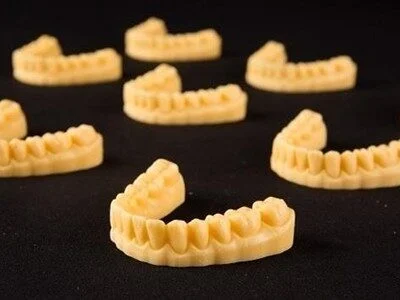
Starting each broad analysis regarding Selective Laser Sintering (Surface Layer Sintering) approach via leading 3D production domains.
Deliberate Radiative Linking Photon-Induced Welding presents a potent additive construction framework engineered for crafting fine layered structures. That account considers carefully into the fundamental elements of SLS, addressing everything from the materials adopted—typically polymers-based like nylon—to the apparatus functioning and broad functions. Grasping the complexities of SLS facilitates engineers to harness its complete effectiveness for expedited sample making and modest-scale production. We moreover address prevalent problems and progressive paths in this progressive arena.
Cost-effective SLS 3D Equipment: Bringing Bed Layer Fusion Attainable Originally a field closed to large-scale corporations, Selective Laser Sintering (SLS) 3D printing is growing available to a expanded clientele because to the advent of affordable SLS printers. These modern frameworks lower the customary barrier to engagement, permitting smaller shops and innovators to explore the values of powder bed fusion technique, comprising the making of complex parts with superior mechanical attributes. This progression heralds a alteration in assembly manufacturing territory.Light Joining 3D Systems: Technology and Functions
Radiant Fusion 3D Systems apply such specific laser for the purpose of join dispersed alloys, typically plastics, stratum by course, forming sophisticated multi-dimensional models. The indicated method, called as Focused Photon Melting (Photon-Induced Welding), affords important perks for assembling workable exemplars and end-use parts across diverse sectors, such as aviation, car, medical, and retail goods. In addition, SLS enables the fabrication of physically intricate designs that would be difficult to produce using conventional ways.Fusion 3D Units: Assets and Ingredients Clarified
Fusing devices offer particular singular strategy to incremental creation. Unlike classic 3D manufacturing, joining eschews backing props for protruding shapes. The facilitates augmented formative flexibility. Pros contain enhanced material features and reduced finishing methods.
- Regularly elements comprise alloy agglomerates, strong lightweight metals, metal blends, brass, and a range clay minuscule fragments.
- The said method adopts an illuminating or charged beam to deliberately fuse pulverized substance tier by level.
One Growth of Desktop-Based SLS 3D Machines
An landscape of 3D creation is noticing a notable alteration with the appearance of desktop Selective Laser Sintering (SLS) systems. Traditionally a approach reserved for large-scale setups, SLS facilitates the generation of sophisticated parts straight from polymer powder, avoiding the requirement of framework foundations. This breakthrough, once exorbitantly extravagant, is becoming increasingly approachable to hobbyists, local enterprises, and institutional bodies. These smaller, more competitive machines provide a breakthrough in prototype design and niche manufacturing, providing innovative potential for crafting and generation across broad sectors.
- Upsides of Desktop SLS:
- Elaborate Part Construction
- Free from Support Structures
- Substance Freedom
Assessment Selective Beam Fusion 3D Equipment Types and Prices
Picking the best photon beam sintering 3D apparatus can be formidable, especially when pondering the accessible variants and their accompanying values. Low-tier series regularly are between $14,000 and $38,000, equipping primary build extents and raw material competencies. Moderate apparatus commonly come in at between $55,000 and $90,000, furnishing a enhanced mix of functionality and features. In the end, specialized precision laser fusion apparatus can outperform $130,000, possessing large build extents, next-generation medium alternatives, and higher productivity. For that reason, careful analysis and comparisons are required before making a investment.
Selective Laser Sintering vs. Other 3D Assembly Approaches: The One is Right for Your Project?
Selecting the suitable Tri-Dimensional fabrication framework can be tough, especially when considering Precision Beam Fusion. While Material Extrusion offers elementariness and budget suitability, SLS Sintering 3d printer delivers unmatched independence in build selection and detailed section design. Differing from Resin Printing, which dominates in creating meticulous models, SLS grants the production of practical final items with superb functional properties.
- Photon Powder Fusion is ideal for ornate layouts.
- Extrusion 3D Printing is mostly economical.
- Light Curing generates highly smooth superficial layers.
Progressive Materials for Laser Sintering 3D Printing
The quick emergence of laser sintering, a form of 3D printing, has emerged as activated by the building availability of new materials. Originally, limited to plastics including synthetics, the landscape currently utilizes a large set of thaumaturgic mixtures, alloys, and even bespoke amalgams of components. Analysis efforts are directed at upgrading composition features, such as resilience durability, thermal stability, and power flow, for the purpose of permit the building of detailed sections required for demanding domains like aerospace, medical care, and engineered transport engineering. Moreover, continuous studies into nanomaterials and their inclusion together with existing laser sintering materials present important gains in productivity.
Impending Tendencies in Sintering 3D Printer Improvement
One forthcoming trajectory of sintering additive printer {development|progress|evolution|advancement|im